How Weather Conditions Affect Concrete Delivery and Placement
For those seeking concrete delivery, local contractors can manage weather-related challenges to ensure proper placement and quality of your project.
Understanding how weather conditions affect concrete delivery and placement is essential for property owners planning construction or renovation projects. Fluctuations in temperature, humidity, and precipitation can influence the setting time, strength, and finish of concrete, making it crucial to work with experienced local contractors who are familiar with these factors. By exploring this topic, property owners can gain practical insights into how weather might impact their project timeline and quality, ensuring that the work proceeds smoothly and meets expectations.
For those considering concrete work in the area, knowing how weather conditions influence delivery and placement helps in making informed decisions and choosing the right service providers. Local contractors often have strategies and experience to adapt to changing weather, helping to prevent issues like cracking or improper curing. Keep reading to discover useful tips and learn how local pros can help navigate weather-related challenges to achieve a successful concrete project.
- Concrete delivery services are essential when unpredictable weather conditions threaten to delay or compromise the quality of the pour, and local contractors can adjust schedules accordingly.
- During periods of high humidity or rain, local pros can implement protective measures to prevent concrete from setting prematurely or becoming weak.
- In extreme heat, local service providers may recommend timing deliveries during cooler parts of the day to ensure proper curing and placement.
- When snow or freezing temperatures are forecasted, local contractors can use heated or insulated trucks to maintain concrete workability and prevent freezing issues.
- In windy conditions, local pros often modify delivery and placement techniques to reduce the risk of concrete segregation or uneven setting.
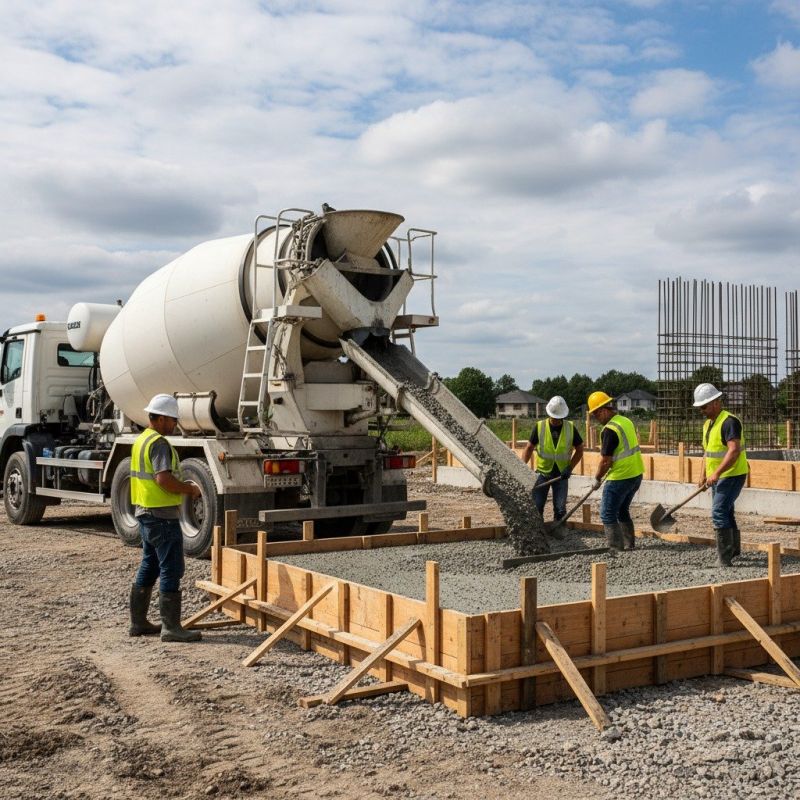

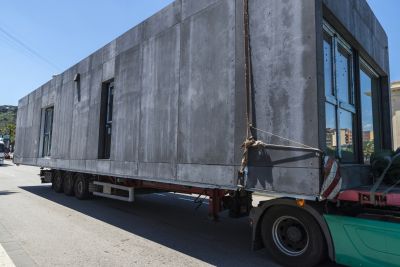
When people search for how weather conditions affect concrete delivery and placement, they are often trying to understand how different elements like temperature, humidity, rain, or wind can impact their construction or renovation projects. Homeowners planning to pour a new driveway, patio, or foundation want to ensure their project progresses smoothly without delays or issues caused by weather. They may be concerned about how unexpected rain or extreme heat could compromise the quality of the concrete or disrupt the schedule. This search reflects a desire to learn how to prepare for weather-related challenges and to find local contractors who are experienced in managing these conditions effectively.
The problems related to weather conditions and concrete work typically involve issues like premature setting, cracking, or weak spots in the finished surface. For example, high temperatures can cause concrete to set too quickly, leading to cracks or uneven curing. Conversely, rain or high humidity can lead to excess water in the mix, weakening the concrete and affecting its durability. Homeowners and project planners often need to adjust their plans or seek advice on timing concrete pours to avoid these problems. They also look for ways to protect the work site, such as using coverings or delaying the pour until the weather improves, which makes working with experienced local service providers essential.
The types of properties that frequently come up in this context include residential driveways, patios, walkways, and small to medium-sized foundations. These projects are often sensitive to weather variations because they require precise timing and conditions for optimal results. Larger commercial or industrial projects may also be affected, but homeowners tend to focus on smaller-scale projects where weather can more directly influence the final outcome. When searching for solutions, they often want to connect with local contractors who understand the local climate patterns and can adapt their delivery and placement methods accordingly, ensuring the concrete cures properly regardless of weather fluctuations.
Understanding how weather conditions affect concrete delivery and placement helps homeowners plan their projects more effectively. Local service providers are equipped to handle these challenges by adjusting scheduling, using protective measures, or employing techniques suited to the weather at hand. Whether dealing with rain, extreme heat, or cold, experienced local pros can help ensure that the concrete is delivered and placed correctly, leading to a durable and high-quality finish. Connecting with these local experts can make a significant difference in managing weather-related risks and achieving the desired results for any concrete project.
Bridge Construction Projects - these projects require precise concrete delivery and placement planning, especially when weather conditions can impact curing times and structural integrity.
High-Rise Building Developments - vertical construction involves complex concrete placement that must adapt to weather variations to ensure safety and durability.
Roadway and Highway Paving - weather-sensitive concrete pouring demands coordination with local contractors who understand how temperature and humidity affect setting times.
Industrial Facility Foundations - large-scale foundation work depends on reliable concrete delivery, with weather conditions influencing timing and quality control measures.
Waterfront and Marine Structures - projects in exposed environments require experienced service providers to manage concrete placement amid changing weather patterns.
Residential Basement and Foundation Work - weather considerations are critical for timely concrete delivery and proper curing to prevent future issues.

When evaluating concrete delivery services, it’s important to consider the experience of local contractors with projects similar to your own. Concrete placement can be highly sensitive to weather conditions, so working with service providers who understand how factors like temperature, humidity, and wind can impact delivery and setting times is essential. Contractors who have handled comparable projects are more likely to anticipate potential weather-related challenges and adjust their scheduling or techniques accordingly, helping to ensure the quality and durability of the finished work.
Clear, written expectations are another key factor when comparing local pros. A detailed scope of work, including how weather conditions might influence delivery and placement, can prevent misunderstandings and set realistic expectations. Service providers who communicate their plans, potential weather-related adjustments, and contingency strategies in writing demonstrate professionalism and transparency. This clarity can make it easier to coordinate the project and feel confident that the contractor is prepared to handle weather-related issues as they arise.
Reputable references and good communication are vital components of a successful concrete project, especially when weather conditions are unpredictable. Local contractors with positive references from previous clients can provide insights into how they managed weather-related challenges in past projects. Additionally, service providers who maintain open, responsive communication can keep homeowners informed about weather forecasts, delays, or necessary adjustments during the project. Choosing pros who prioritize clear dialogue and have a track record of handling weather influences effectively can contribute to a smoother, more predictable concrete placement process.
Property owners often search for how weather conditions affect concrete delivery and placement when they are planning practical projects around their homes and businesses. Local pros provide Concrete Delivery services for everyday jobs and straightforward project options.
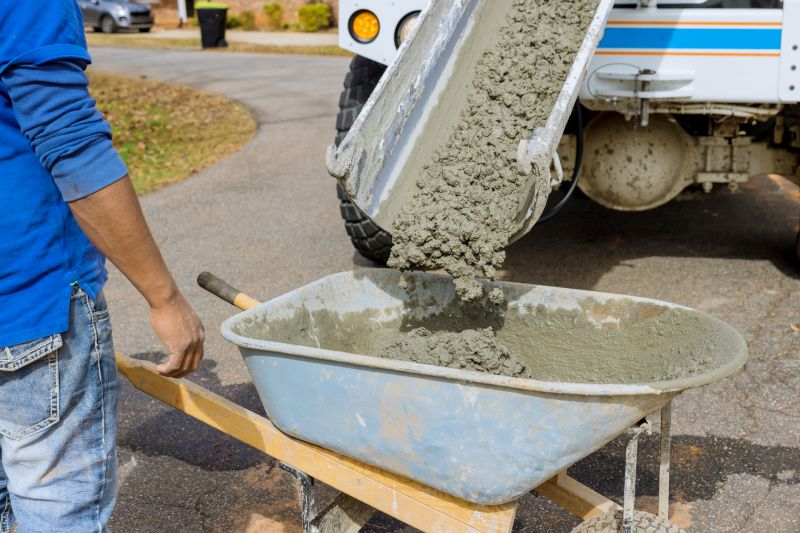
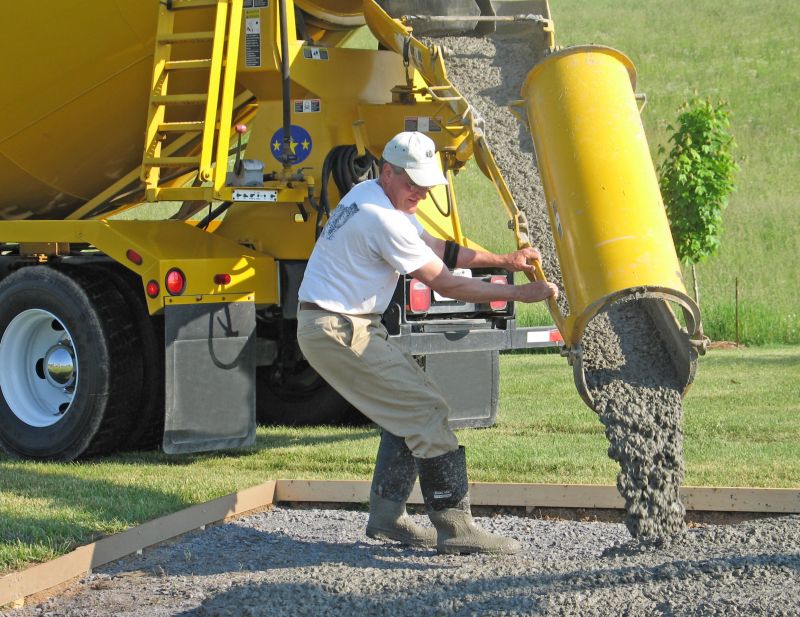
Weather conditions play a significant role in the delivery and placement of concrete for everyday projects around the area. For property owners planning to pour a driveway, patio, or foundation, understanding how factors like rain, temperature, and humidity influence the process is essential. Heavy rain can delay delivery schedules or cause concrete to set improperly if it’s not protected, while extreme heat may lead to faster setting times that require adjustments in placement techniques. Local contractors are experienced in monitoring weather patterns and can coordinate delivery times or suggest specific methods to ensure the concrete cures correctly, helping to avoid issues that could compromise the project’s durability.
In addition, fluctuating temperatures and high humidity levels can affect the workability of concrete during placement. Cold weather might slow down the curing process, increasing the risk of cracking, whereas high temperatures can cause rapid drying and surface imperfections. Property owners searching for reliable concrete delivery services often find that local service providers have the expertise to adapt to these weather challenges. They can recommend appropriate timing, additives, or protective measures to ensure the concrete sets properly and achieves the desired strength, regardless of unpredictable weather conditions.
How do high temperatures impact concrete delivery and placement? Hot weather can cause concrete to set too quickly, making it harder to work with and increasing the risk of cracking. Local contractors may adjust mix designs or timing to ensure proper placement in warm conditions.
What challenges do rain and moisture pose during concrete delivery? Rain can delay delivery and affect the quality of the concrete, leading to potential weaknesses. Experienced service providers often take precautions like covering the mix or adjusting scheduling to prevent issues.
How does cold weather affect concrete pouring and curing? Cold temperatures can slow down the curing process and cause freezing, which may compromise the strength of the concrete. Local pros might use insulating methods or heated mixes to ensure proper setting in cooler conditions.
Can wind influence the concrete placement process? Strong winds can cause rapid evaporation of moisture from the concrete surface, leading to surface cracking or weak spots. Skilled contractors may implement measures like curing blankets or windbreaks to mitigate these effects.
Why is it important to consider weather conditions when scheduling concrete delivery? Weather conditions directly impact the workability, curing, and overall quality of concrete. Local service providers can adapt their methods to ensure proper placement despite changing weather patterns.
Monitor weather forecasts - staying informed about upcoming weather conditions helps property owners plan for delays or adjustments in concrete delivery and placement.
Choose optimal timing - scheduling concrete work during mild weather can prevent issues caused by extreme heat, cold, or rain, ensuring better results.
Coordinate with local contractors - experienced service providers can advise on weather-related challenges and adjust delivery methods accordingly.
Implement protective measures - using coverings or enclosures with the help of local pros can shield fresh concrete from adverse weather, promoting proper curing.
If you are thinking about how weather conditions affect concrete delivery and placement for a property, this guide is meant to help you understand this topic, the typical project types, and how different options might fit your plans.
When you are ready, you can use the quote form on this page to share a few details about your project. From there, local pros can review the basics and follow up with options that match what you have in mind.